The short version of cabinet refacing vs replacing cabinets: refacing swaps the doors, drawer fronts and visible surfaces while leaving your existing cabinet boxes mounted on the wall, and replacement takes the boxes out entirely so the layout can change. If the boxes are solid, refacing gets you a new-looking kitchen in a fraction of the time and money. If the wood is soft, wet or swollen, no amount of new veneer will rescue it.
That one question — are the boxes worth keeping? — settles most of the decision. Everything else is budget and patience.
Table of Contents
- Cabinet Refacing vs Replacing Cabinets at a Glance
- Cost Differences Between Refacing and Replacement
- How Long Each Project Takes
- How Much Disruption Each Option Causes
- Design and Layout Changes
- Durability, Maintenance, and Repairability
- DIY Feasibility and Contractor Requirements
- Resale Value and Environmental Impact
- Which Should You Choose?
- How to choose between cabinet refacing and replacing cabinets
- Frequently Asked Questions
- Can old cabinets be refaced instead of replaced?
- Is cabinet refacing just painting the cabinets?
- How long do refaced and replacement cabinets last?
- Does cabinet refacing increase home resale value?
- Can I reface cabinets myself, or do I need a professional?
- Make the Decision From the Cabinet Boxes Up
Cabinet Refacing vs Replacing Cabinets at a Glance
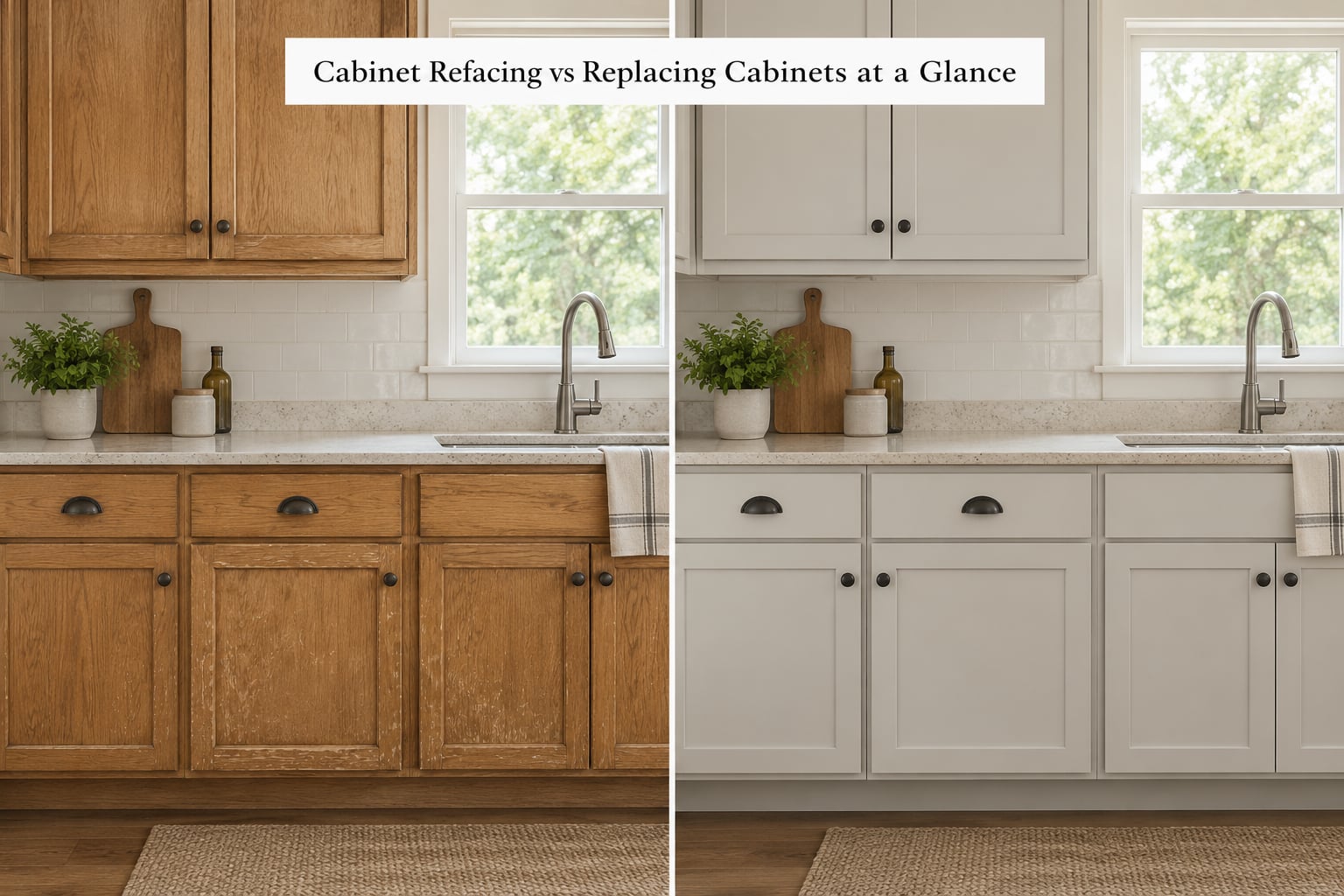
| Criterion | Cabinet Refacing | Full Cabinet Replacement |
|---|---|---|
| Typical US project range | 8,000 to 18,000 dollars | 15,000 to 40,000 dollars and up |
| Installation time on site | Roughly 1 to 2 weeks | 3 to 8 weeks after fabrication |
| Lead time before install | 2 to 6 weeks for doors | 6 to 12 weeks for custom cabinets |
| Disruption | Counters usually stay put | Counters, sink and sometimes appliances come out |
| Layout changes | None — same footprint and same boxes | Full reconfiguration, including cabinet size and placement |
| Storage upgrades | Hardware only, unless boxes are rebuilt | Pull-out trays, tall units, custom organizers |
| Expected service life | Matches the boxes that remain | Set by the new cabinetry and installation quality |
| Single door replacement later | Easy — matches the new doors | Easy, if the cabinet line is still available |
| Resale effect | Reads as an updated kitchen | Reads as a full renovation |
| Best fit | Sound boxes, dated finish, short timeline | Damaged boxes, layout problems, long planning horizon |
Read that table twice, because the two columns diverge fast. Cost, time and disruption all tilt toward refacing; flexibility and storage tilt toward replacement.
Cost Differences Between Refacing and Replacement
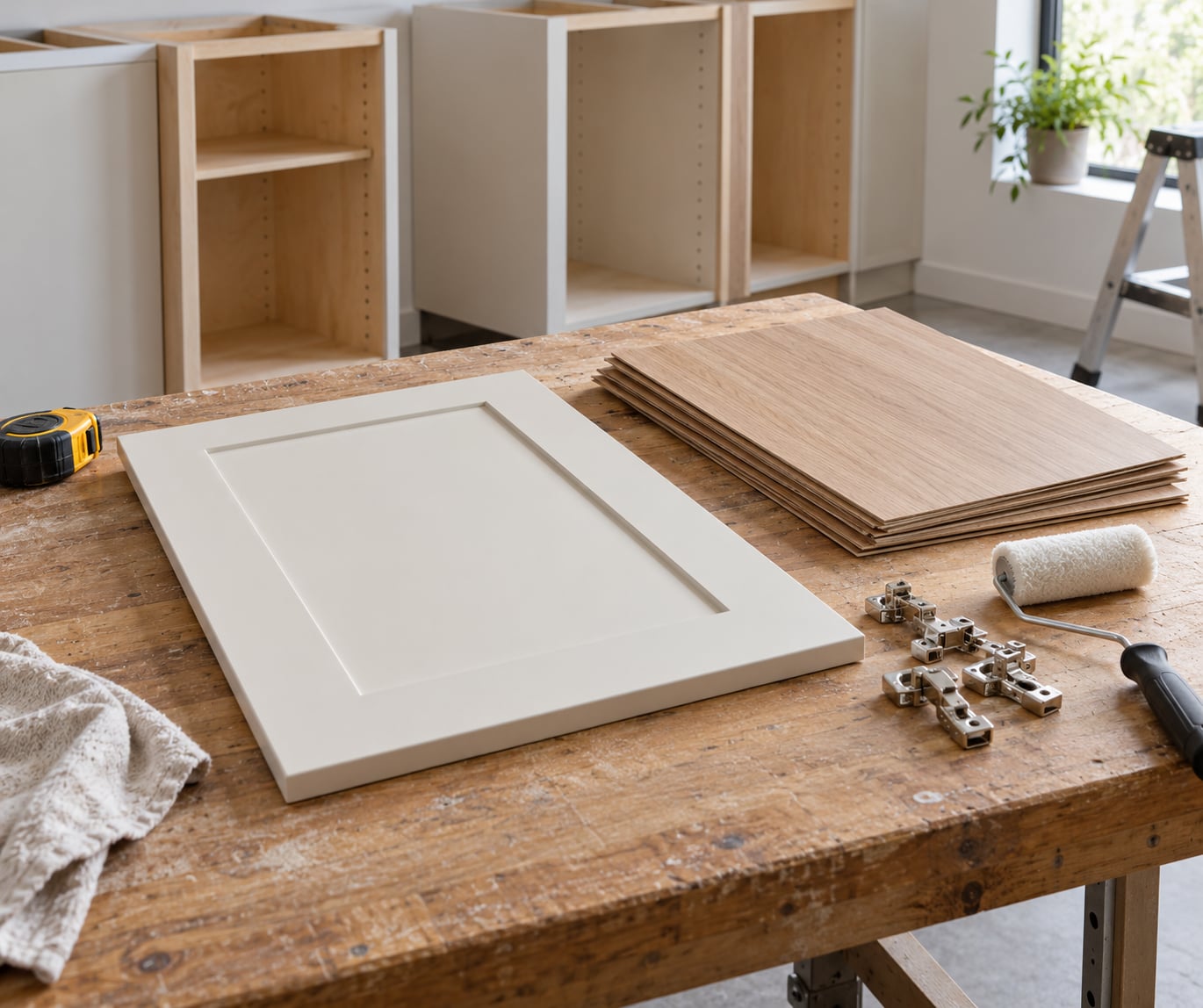
Refacing cost is mostly doors and labor. A reface estimate typically covers new doors and drawer fronts, veneer or laminate applied to the exposed box faces, new hinges and pulls, finished end panels for any open-sided cabinets, and installation. Refinishing, by contrast, means the old doors stay and get painted or stained, which is why it lands at roughly 2,500 to 6,000 dollars.
Replacement cost is mostly cabinetry. You are paying for boxes, shelves, drawer boxes, doors, hinges, slide hardware, plus the labor to remove the old run and set the new one level and plumb. Higher-tier lines — semi-custom and fully custom — push the number further because sizes are made to your wall rather than pulled from a warehouse rack.
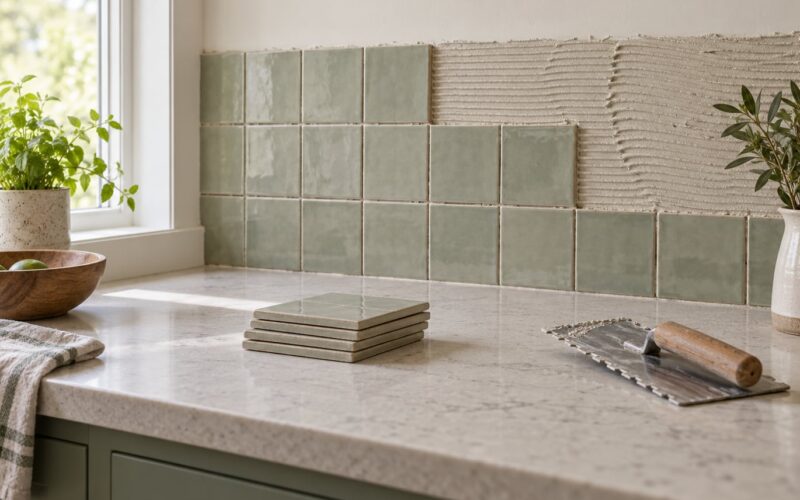
Hidden costs are where refacing quotes stop looking cheap. Ask any installer to itemize these separately from the cabinet work:
- Countertop removal and reinstall, including sink and faucet disconnection
- Backsplash tile or stone that gets cracked during removal
- Drywall repair where the old cabinets sat, especially in older homes
- Filler panels, scribe trim and finished end panels
- Plumbing or electrical changes when appliance locations move
- Floor repair if the old run was sitting on a subfloor that deteriorates when cabinets come out
Homeowners report the same pattern on renovation forums: a reface quote that looked like half of replacement ends up near two-thirds once counters, backsplash and wall repair are added. That is not a scam, it is a scope gap. Get two itemized proposals that separate cabinet work from collateral work and you can compare like with like.
One more cost pattern worth knowing: refacing usually suits stable boxes made of sound wood or good-grade sheet goods. Replacement earns its money when the layout, dimensions or cabinet condition are problems the reface cannot touch.
How Long Each Project Takes
A straightforward professional reface runs one to two weeks on site. Add two to six weeks of lead time for the doors and drawer fronts to be fabricated, plus drying time if the new finish is painted on site.
Full replacement takes longer at every stage. Fabrication runs six to twelve weeks for custom cabinets before a single tool comes out. Installation then takes three to eight weeks, and the calendar stretches further when cabinets need to be removed, walls patched, flooring replaced, or the sink and plumbing moved. Custom cabinet lines can add eight to twelve weeks after deposit, which surprises more people than any other number in this article.
Permits and inspections add time in some jurisdictions, especially when plumbing or electrical work changes. Ask your contractor which trades are in scope and whether an inspection is part of the schedule.
How Much Disruption Each Option Causes
Refacing is a working-in-place job. Counters generally stay where they are, appliances stay plugged in, and the crew protects the floor, then removes doors, applies the new surfaces, hangs new fronts and cleans up. Most households keep cooking through it, with a few days of noise and dust.
Replacement is a gut job inside the room. You clear the counters, disconnect the dishwasher and any cooktop or range, protect the flooring, and may open the wall behind the cabinets to fix what demolition exposes. Your kitchen is genuinely unusable for stretches of days at a time, and dust finds every doorway in the house.
If you have to stay in the home, refacing is the manageable option. Plan where you will cook and where you will put the appliances during the noisy days, and ask the contractor to lay down floor protection before anything comes off the wall.
Design and Layout Changes
Refacing changes surface and hardware. You can pick a new finish — wood veneer, RTF laminate, or a painted front — a different door profile such as flat, shaker or inset, and new hardware including soft-close hinges if the box hinge cups allow it. The footprint never changes.
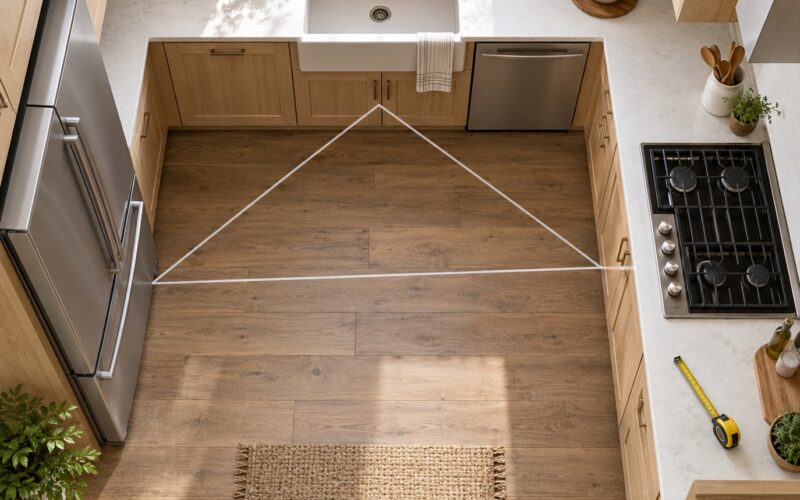
Replacement changes surface, hardware, storage and geometry. You can widen the sink base for a workstation, add a tall pantry, move the range to a wall, install pull-out trays, or correct a layout where deep shelves swallow cookware and blind corners eat space. Refacing cannot resize a box, move a wall anchor, or fit an appliance where the opening is wrong.
That said, new doors do not automatically fix storage. You can put a beautiful shaker front on a box with one deep shelf and the same bad ergonomics will remain. Judge the function before the finish.
Durability, Maintenance, and Repairability
New solid cabinets installed well can last a long time, with warranties on boxes and hardware measured in decades depending on the line. Refaced cabinetry is only as durable as what stayed in place and how it was finished.
Finish choice matters most in humid climates. Veneer can lift or delaminate along edges if the substrate or adhesive is compromised, and installers in humid regions describe peeling at sink-base edges within a few years. RTF laminate handles moisture better but can scratch and shows seams at the edges. Solid painted or stained wood fronts tolerate kitchen use well and are easy to touch up — one of the reasons many homeowners in wet climates go with painted doors over veneer.
Repairability favors refacing. Matching a single scratched door is simple when you already bought doors from the same line. With replacement cabinetry, availability is the question — some lines discontinue door styles and wood species, and a five-year-later repair becomes a hunt.
Four things decide how long either option lasts: cabinet box construction, water exposure around the sink base, installation quality, and how gently people clean.
DIY Feasibility and Contractor Requirements
Some homeowners handle the easy parts themselves: removing doors and drawer fronts, swapping hinges and pulls, and painting. That is genuinely DIY work with a low downside if something goes wrong.
The rest is not. Refacing means measuring every box to the fraction, matching reveals and gaps across doors that sit side by side, preparing and sanding a finish without gouging the substrate, and working with ventilation for coatings. Replacement adds structural questions — is the cabinet securely mounted, level, and tied into the wall properly — plus plumbing and electrical disconnection.
Hire an experienced cabinet installer when boxes are uneven, walls are out of plumb, you want a sprayed finish, or the job touches gas, water or a 240-volt circuit. Licensed trades handle the utility work regardless of who installs the boxes.
Before signing, ask where the crew has installed cabinets in a similar climate, whether they will inspect your boxes before quoting rather than pricing blind by phone, and which manufacturer and warranty backs the doors they install.
Resale Value and Environmental Impact
Refacing generally reads to buyers as an updated kitchen, which helps perception without delivering the layout change a buyer might want. Replacement reads as a full renovation, and it removes the awkward questions — why the sink base is tight, why the corner cabinet swallows things — that dated layouts invite.
If you plan to sell within a couple of years, weigh that horizon honestly. Cosmetic updates help; a redesign you have no time to enjoy does not. Owners who refaced for resale report mixed reactions, with some buyers pleased and others seeing straight through to the old layout.
Keeping usable cabinets in place also means less material heading to disposal, since the boxes and much of the wood stay in the home. That benefit shrinks when the reface is done badly, or when a weak box has to be replaced a few years later anyway. Keep it as a secondary consideration, not a promise.
Which Should You Choose?
Reface when the boxes are solid, the layout already works, the sink base is the right size, and you want a change you can live with in weeks rather than months.
Replace when the wood is soft or swollen, a cabinet has fallen off the wall, the layout fights you daily, you want real storage upgrades, or you are already opening walls for something else.
And when the budget is the real constraint, consider the middle path: paint or stain the existing doors. It buys the shortest timeline and the smallest footprint of work, at the cost of durability in high-wear zones and the same layout limits as refacing.
How to choose between cabinet refacing and replacing cabinets
Work through these five before you request quotes:
- Press into the low corners of a cabinet box. Solid wood or firm sheet goods feels dense; soft, crumbly or damp material means replacement.
- Look for swelling, peeling laminate or veneer, and a musty smell under the sink base.
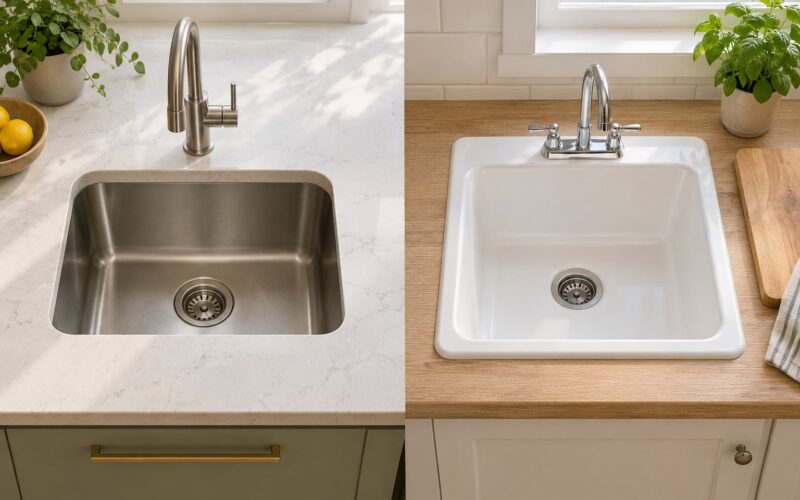
- Check whether your sink base fits your sink and whether you actually want more storage.
- Decide how long you can live with the counters and appliances removed.
- Compare two itemized proposals line by line, with collateral work listed separately from cabinet work.
Frequently Asked Questions
Can old cabinets be refaced instead of replaced?
Yes, if the existing cabinet boxes are straight, secure and free of water damage or rot. Refacing works by hanging new doors and drawer fronts on the boxes you already have, which is why cabinet refacing vs replacing cabinets comes down to the condition of those boxes. Check for swelling, peeling laminate, soft corners or a musty smell near the sink base first, because none of those can be fixed with a new finish.
Is cabinet refacing just painting the cabinets?
No. Refacing means new doors and drawer fronts plus new veneer or laminate on the exposed box faces, usually with new hardware. Painting is cabinet refinishing, where the existing doors stay in place and get coated. Refinishing is cheaper and faster, but it cannot correct layout, storage or material problems.
How long do refaced and replacement cabinets last?
Replacement cabinets installed well can last decades, with box and hardware warranties that often run twenty years or more. Refaced cabinetry lasts as long as the boxes underneath, which is the appeal and the risk. Veneer can lift at edges in humid climates, while painted solid fronts are the easiest to touch up when something gets damaged.
Does cabinet refacing increase home resale value?
It usually improves buyer perception without adding square footage or new layout. Buyers tend to read refacing as an updated kitchen, which helps, but the original footprint and storage limits stay. If you may sell within a few years, weigh how much of the update a buyer will actually enjoy rather than assuming it returns dollar for dollar.
Can I reface cabinets myself, or do I need a professional?
You can remove doors and drawer fronts, swap hardware and paint on your own. Applying veneer, matching reveals across adjacent doors, spraying a finish and mounting the finished work takes professional measurement and setup. Hire an installer if your walls are out of plumb, or if the job touches gas, water or a 240-volt circuit.
Make the Decision From the Cabinet Boxes Up
Start in the corner cabinet with a flashlight. Press the low corners for soft or damp material, look for peeling laminate or veneer, and check that nothing has pulled away from the wall. If the boxes pass that inspection, ask two installers for itemized reface proposals and compare them against one replacement quote.
Choose refacing only when the existing structure is sound. Once you know the boxes are worth keeping, the rest of cabinet refacing vs replacing cabinets comes down to your timeline, your layout and how long you plan to stay.