Shredded hardwood is the best all-around mulch for most garden beds because it suppresses weeds, holds moisture and feeds soil as it breaks down, while bark suits woodland borders, straw wins in vegetable and raised beds, pine straw fits acid-loving plants, and gravel or rubber work best where looks and low upkeep beat soil building. Since these materials trade off against each other in cost, appearance, maintenance and plant safety, the right pick depends on what you planted and how much work you want to do.
Most gardeners weighing mulch types compared for garden beds pick whichever option looks good at the garden centre, then wonder why weeds still arrive or why the soil got harder over two seasons. A few minutes matching the material to the bed solves most of that.
Table of Contents
- Mulch Types Compared for Garden Beds at a Glance
- Shredded Hardwood Mulch
- How Mulch Types Compared for Garden Beds Affect Long-Term Soil Health
- Bark Mulch
- Compost and Composted Manure Mulch
- Straw Mulch
- Pine Straw Mulch
- Pea Gravel and River Rock
- Rubber Mulch
- Which Mulch Type Should You Choose?
- How to Choose and Apply the Right Mulch
- What Is the 3-3-3 Rule for Mulch?
- Frequently Asked Questions
- What is the best mulch for most garden beds?
- Is compost better than mulch for vegetable gardens?
- How deep should mulch be around plants?
- Should mulch touch plant stems or tree trunks?
- Does stone mulch keep soil moist?
- How often should garden mulch be replaced?
- Conclusion
Mulch Types Compared for Garden Beds at a Glance
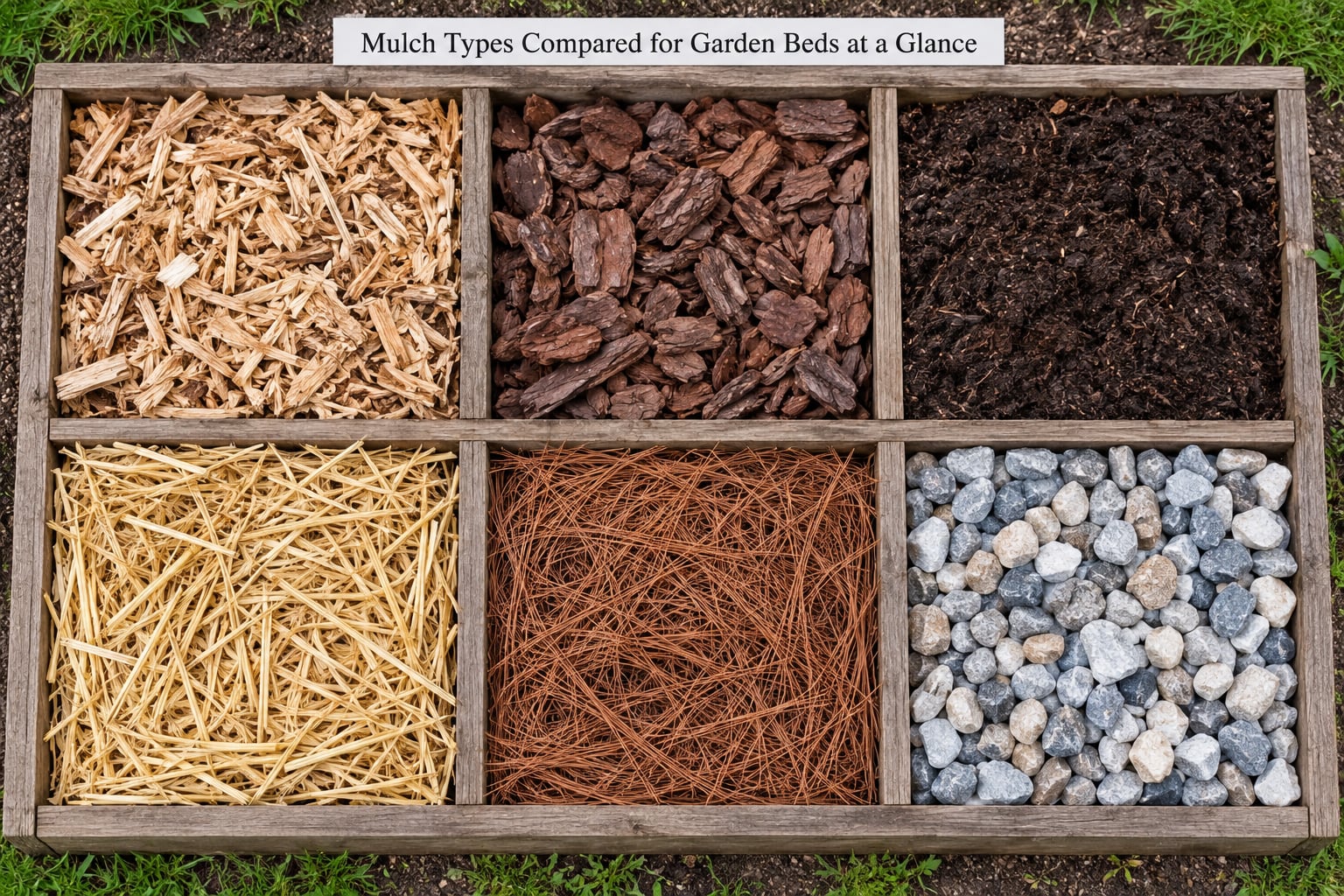
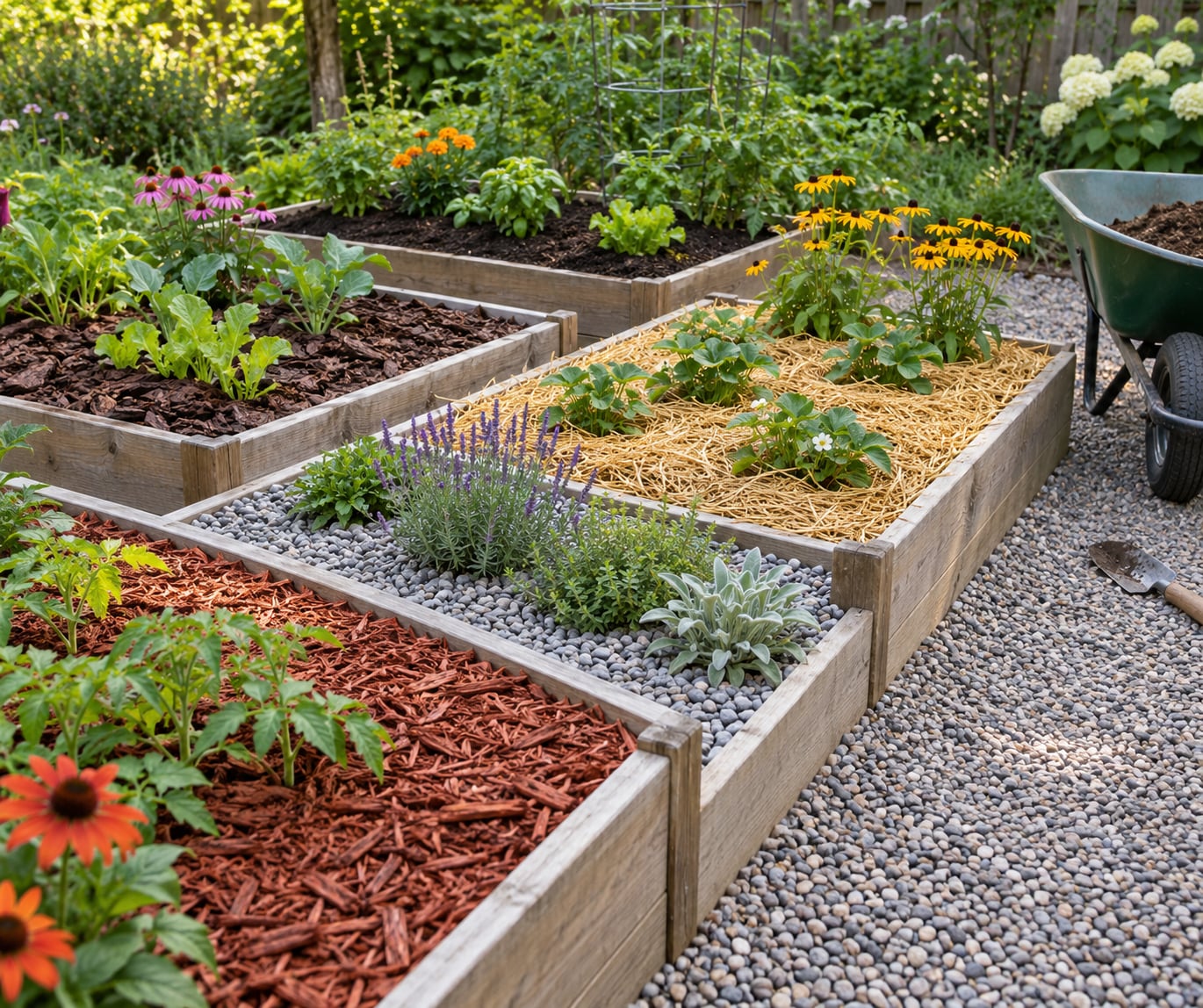
The table below scores seven common mulches on the things that actually change how a bed performs: weed suppression, moisture retention, soil building, how fast they break down, what they cost to buy, where they belong and where they cause trouble.
| Mulch Type | Category | Weed Suppression | Moisture Retention | Soil Building | Breaks Down In | Cost | Best For | Watch Out For |
|---|---|---|---|---|---|---|---|---|
| Shredded hardwood | Organic | Good | Good | Good | 1 to 2 seasons | Moderate | General beds, borders, paths | Compacts in raised beds; needs topping up |
| Bark | Organic | Fair | Good | Fair | 2 to 3 seasons | Moderate | Woodland gardens, shrub borders | Floats when dry; blows off slopes |
| Compost and composted manure | Organic | Poor on its own | Very good | Excellent | Continues to settle | Low to moderate | Vegetable beds, improving tired soil | Can carry weed seeds; a topdress, not a blanket |
| Straw | Organic | Very good | Good | Fair | One season | Low | Vegetable beds, strawberries, cane fruit | Blows out of raised beds unless pinned |
| Pine straw | Organic | Good | Fair | Fair | 2 to 3 seasons | Moderate | Blueberries, azaleas, rhododendrons | Light; scatters in wind; acidifying |
| Pea gravel and river rock | Inorganic | Poor after weeds appear | Poor, heats soil | None | Never | Moderate to high, plus weight | Dry gardens, paths, xeriscapes | Hand weeding only; heat damages roots |
| Rubber | Synthetic | Good while shallow | Poor, sheds water | None | Never | High | Play areas, shaded paths | Odour, heat, runoff, not for edible beds |
Read the table as a set of trade-offs, not a ranking. The materials with the best weed suppression are the ones that keep moving, which is also why straw and pine straw blow away first.
Shredded Hardwood Mulch
Shredded hardwood is the safest default for most beds. Double-ground hardwood holds together better than bark, keeps a crumbly surface that water soaks into, and adds organic matter as it decomposes.
The main catch is weight. Shredded hardwood compacts in a raised bed over a season and slumps away from the frame, which is why gardeners regularly rake it back up at the start of each year.
Fresh wood mulch also ties up nitrogen while it decomposes, because microbes pulling nitrogen out of the soil break down the high-carbon material. Give it a light nitrogen feed at planting and avoid mixing it straight into the soil.
How Mulch Types Compared for Garden Beds Affect Long-Term Soil Health
Only organic mulch changes soil. Over three to five seasons, wood mulch, straw and pine straw raise organic matter, soften the soil surface and feed fungi and earthworms, while gravel and rubber leave the soil exactly as it was.
Compost sits in a different lane. It is closer to a soil amendment than a surface cover, so it works best as a one to two inch topdress worked into the top few inches of soil before planting.
Shredded hardwood changes faster than most people expect, which is why a bed that looked full in spring can be bare by late summer. Check depth with a trowel twice a year and top up before it thins.
Bark Mulch
Bark mulch is the long-lasting, good-looking option for shrub borders and woodland-style gardens. Large chunks of pine or hardwood bark stay in place through wind and foot traffic better than shredded material.
The downside is that bark resists breakdown, so it adds little to the soil and needs replacing rather than being worked in. In a vegetable bed it works as a surface layer only, and it floats when dry soil lets go of it.
Compost and Composted Manure Mulch
Finished compost is the best soil builder of the group. Spread one to two inches over a bed and either dig it in or leave it as a surface feed, and it improves both drainage and water holding at the same time.
It is not a weed barrier. Pure compost is full of viable seed, so a bare compost layer can seed the bed with weeds instead of stopping them. Keep it under a layer of straw or shredded material.
Use composted manure rather than raw manure, which carries pathogens and far more weed seed. Test your soil before loading a bed with compost, since nutrient levels are easier to fix beforehand than to correct afterwards.
Straw Mulch
Straw is the classic vegetable-garden mulch. It lies flat, blocks light, keeps soil cool and moist, and lets air and water move through it, which is why gardeners use it heavily around strawberries and cane fruit.
Its weakness is wind. Untreated straw lifts out of raised beds in a stiff breeze, and it packs down into a soggy mat if you water it hard every day. Wetting it down at application or pinning it with a little mesh keeps it put.
Check where the bale came from. Grain straw from a wheat or barley crop is clean enough for beds; hay brings the whole seed head with it, so it will seed your bed with whatever was growing in that field.
Pine Straw Mulch
Pine straw is the best choice under acid-loving plants such as blueberries, azaleas and rhododendrons. It breaks down slowly, discourages slugs and leaves a clean forest-floor look.
It is very light for its volume, so it scatters in wind and needs refreshing every year or two. Keep it away from paths and dry areas, where it becomes a fire and trip hazard.
Against hardwood, pine straw trades soil building for acidity and longevity. If you want neutral soil and more organic matter, shredded hardwood wins.
Pea Gravel and River Rock
Rock mulch keeps a bed tidy for years with no decomposition and no refilling. In dry, water-wise plantings where nothing needs feeding, it is a reasonable choice.
In a vegetable or flower bed it is a poor one. Rock heats soil in summer, reflects heat onto leaves, and provides no organic matter at all. Weeds that appear have to be pulled by hand because there is nothing to smother.
Also remember the weight. A bed covered in river rock is heavy to work and hard to replant, and gravel sinks into soft soil over time.
Rubber Mulch
Rubber mulch keeps its colour for years and needs no topping up, which is why it shows up under trees and in play areas. It drains well and does not harbour wood-boring insects the way bark does.
The list of drawbacks is long. It gives off an odour in warm weather, heats the soil in full sun, sheds water instead of holding it, adds nothing to the soil, and can carry metals that wash into soil and gutter water.
Keep it out of vegetable beds and anywhere children or pets dig. Shredded rubber has no place in soil you plan to eat from.
Which Mulch Type Should You Choose?
Match the mulch to the job in the bed rather than to the bed as a whole. Here is how each material performs in the situations gardeners actually run into.
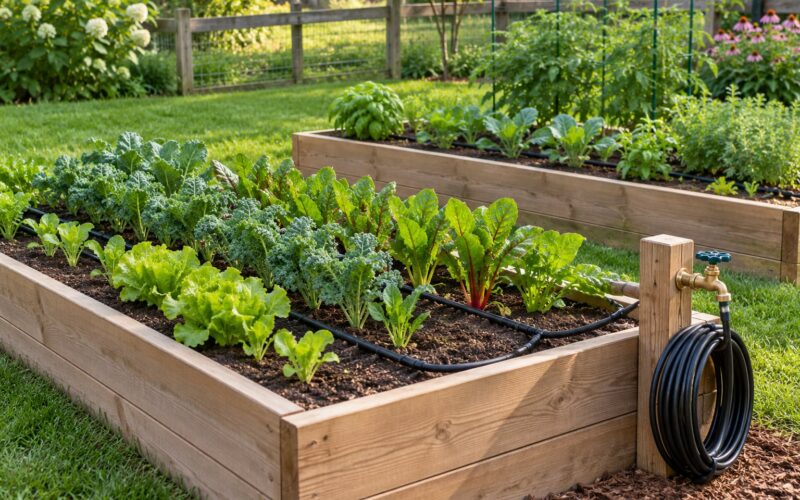
- Vegetable garden beds: Straw for weed suppression and easy planting, with shredded hardwood on the paths between rows.
- Raised garden beds: Shredded hardwood or compost topped with a thin layer of straw. Avoid bark and rock, which slump or settle over the frame.
- Flower borders: Shredded hardwood, because it stays put, holds moisture and looks tidy between perennials.
- Perennial and shrub borders: Bark for a longer-lasting, lower-maintenance surface that suits woody plants.
- Dry, water-wise gardens: Pea gravel, accepting hand weeding and soil that never improves on its own.
- Woodland and native plant gardens: Shredded leaves or bark, both of which match the natural forest floor.
- Paths and high-traffic areas: Shredded hardwood, which is cheaper by volume and easier to rake back into shape than gravel.
- Low-maintenance landscapes: Shredded hardwood with a generous initial depth, topped up once a year, which needs fewer rounds of weeding and watering than bare soil.
How to Choose and Apply the Right Mulch
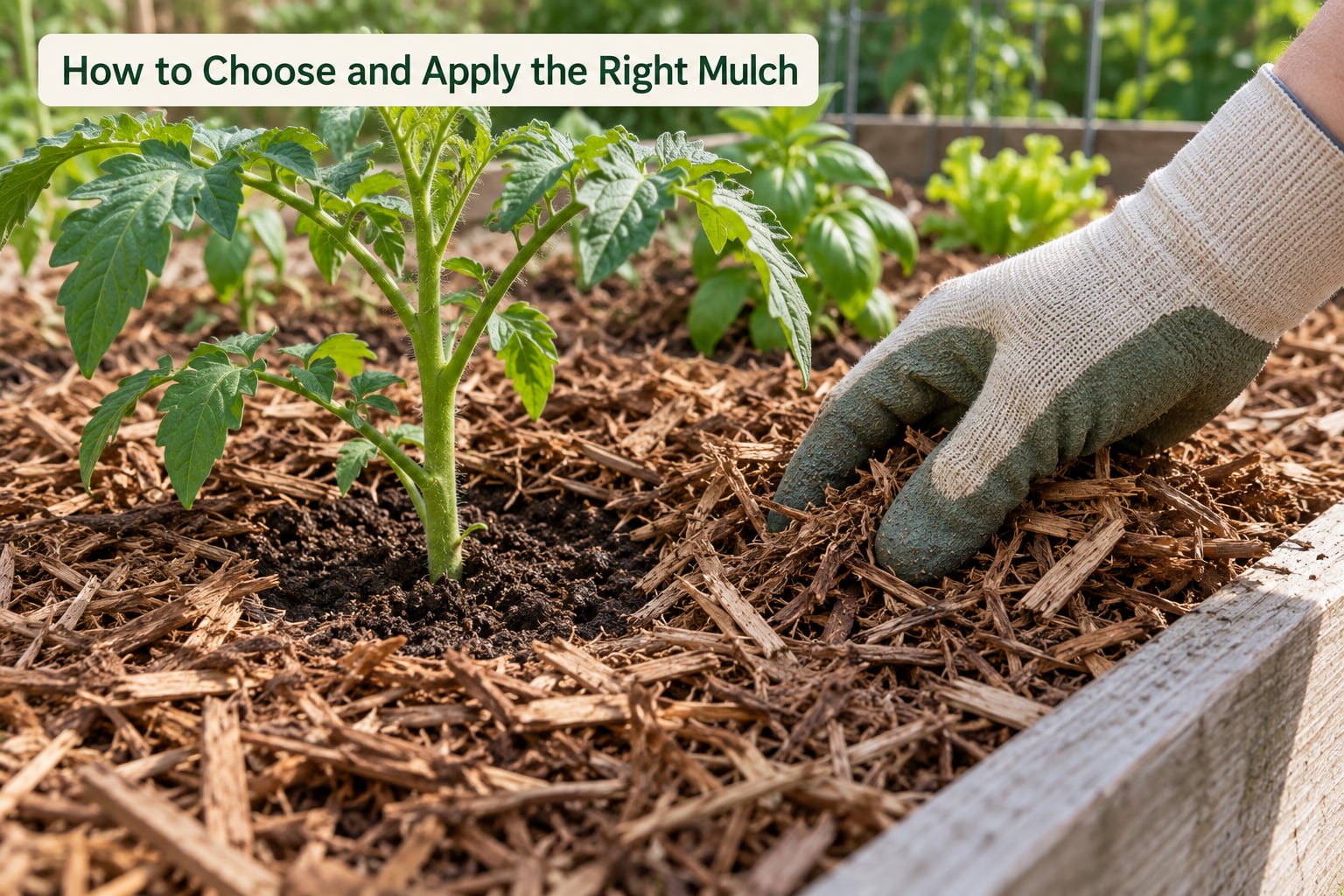
Getting the depth and the distance from the plant right matters more than the material you choose. Lay it correctly and almost any mulch performs well.
- Clear the bed first. Pull existing weeds while they are small, because mulch suppresses new seedlings but does nothing to a weed already rooted underneath.
- Prepare the soil. Loosen compacted ground and add compost before mulching, since mulch cannot fix a bed that does not accept water.
- Water before you mulch. Damp soil holds moisture longer than dry soil, and mulch on dry soil simply traps that dryness.
- Apply 2 to 3 inches. Less than an inch will not suppress weeds; more than 4 inches keeps the root zone cold and wet.
- Keep mulch away from stems. Leave a small gap around every plant and a wider ring around trunks so the crown is not buried.
- Top up each year. Organic mulch shrinks as it breaks down, so add an inch each spring rather than building the layer back up all at once.
What Is the 3-3-3 Rule for Mulch?
The 3-3-3 rule is a shorthand for mulching depth: 3 inches of mulch, 3 inches of cleared space away from a plant stem or trunk, and 3 inches of bare soil left visible around the base so you can spot new growth and problems early.
Frequently Asked Questions
What is the best mulch for most garden beds?
Shredded hardwood mulch is the best all-around choice for most garden beds. It suppresses weeds reasonably well, holds moisture, breaks down within one to two seasons to feed soil organisms, and suits vegetable, flower and perennial beds alike. It needs a yearly top-up and it compacts in raised beds, so those are the two trade-offs to plan for.
Is compost better than mulch for vegetable gardens?
Compost and mulch do different jobs. Compost improves soil structure and adds nutrients, so it belongs in the top inch or two of soil before planting. Mulch sits on the surface to hold moisture and block weeds. Most vegetable gardeners use both: compost dug in at planting, then straw or shredded hardwood spread on top afterwards.
How deep should mulch be around plants?
Two to three inches is the right depth for most garden beds. That layer is thick enough to shade the soil surface and stop most weed seeds from germinating, yet thin enough to let rain reach the soil. Going deeper than four inches can leave the root zone cold and soggy, and piling mulch against stems invites rot.
Should mulch touch plant stems or tree trunks?
No. Leave a gap of a few inches around annual stems and a wider ring of mulch-free soil around tree trunks. Mulch resting against bark or soft stems traps moisture, which can encourage rot at the crown and hide damage from rodents and disease. A loose ring of mulch around a tree, held away from the trunk, protects roots without touching the bark.
Does stone mulch keep soil moist?
Barely. Rock or gravel does slow evaporation slightly by shading the surface, but it also absorbs heat, reflects it onto nearby plants and sheds water quickly once it is wet. Most of its benefit comes from removing visible weeds at installation, not from holding moisture. In hot, dry beds, organic mulch such as shredded hardwood or straw does a much better job.
How often should garden mulch be replaced?
Top up organic mulch every spring, adding about an inch to restore the original two to three inch depth. Shredded hardwood and straw usually need a yearly top-up, while bark and pine straw last two to three seasons. Mineral and rubber mulches do not decompose, so they only need refreshing for neatness or to clear weeds that worked their way through.
Conclusion
Start with shredded hardwood in most beds, compost dug into tired soil first, and straw over the top in vegetable and raised beds where weed pressure is highest. Bark suits shrub borders, pine straw belongs under acid-loving plants, and gravel or rubber earn their place only where low upkeep matters more than soil.
If you are still torn, work through the table at a glance and pick on two variables only: does the bed need feeding, and how much attention will it get over a season. Your first step is simple: pull a handful of soil from the bed, decide whether you want it fed, moist or weed-free, then spread two to three inches, keep it off the stems, and water it in.